


Express Delivery vs Standard Delivery
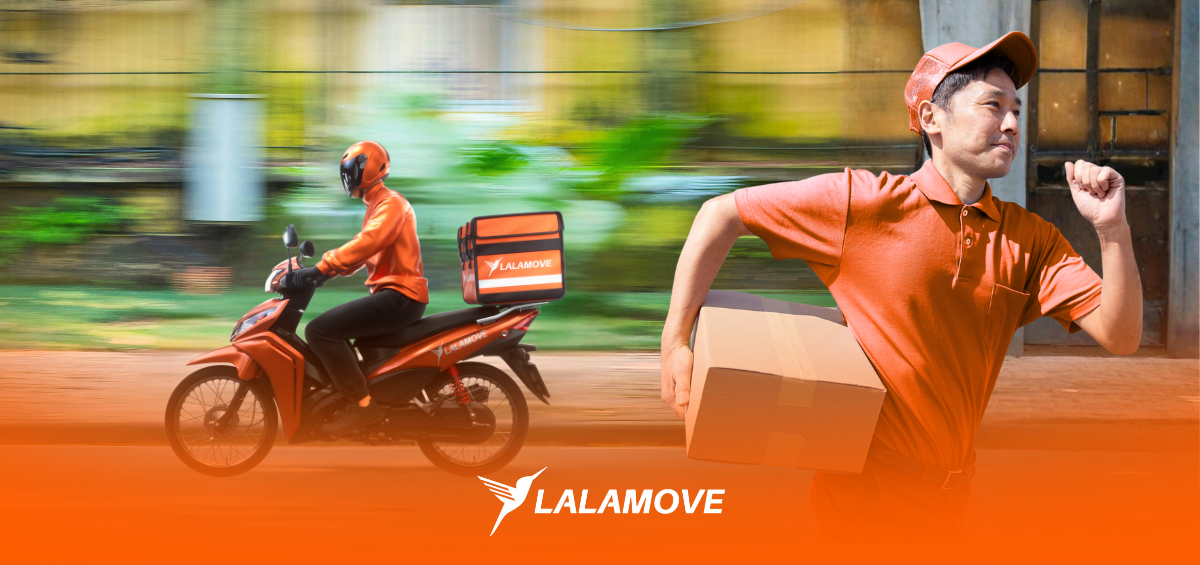
Among the most common questions that individuals or businesses have when choosing a transport solution regards whether to choose standard transport or express transport. While both transport solutions have the capacity to transport goods from point A to point B, it suits different needs, cost, speed, and routing.
One can select the appropriate delivery option based on the operational needs and budget by being aware of the above differences.
Speed and Delivery Timelines
Speed is the most obvious distinction between standard and express delivery.
Direct transportation and quick pickup are given priority in express delivery. In order to reduce delays and pointless stops, orders are usually matched with local drivers and delivered via point-to-point routing. Express delivery is perfect for urgent shipments because it frequently allows for same-day or almost immediate delivery.
Conversely, standard delivery adheres to a more lenient schedule. Because deliveries are frequently scheduled, grouped, or routed alongside other orders, they may take longer. Standard delivery does not give urgency the same priority as express delivery, even though it is still dependable.
In reality, platforms like Lalamove Philippines improve express delivery by utilizing real-time routing and on-demand driver matching, which enables deliveries to proceed straight from pickup to drop-off without needless delays making it particularly useful for shipments with tight deadlines.
To put it briefly:
- Express delivery is the quickest delivery option.
- Standard delivery is dependable but not as urgent.
Delivery Flow and Routing
Another important distinction is routing.
The express transfer of items goes directly from the pickup site to the delivery site. The express delivery reduces instances of detention, as the items move directly, with little chance of being damaged or delayed.
Typical delivery could include:
- Common routes
- Several drop-off locations
- Extended delivery windows
This routing model is commonly enabled by platforms like Lalamove Philippines, where deliveries are assigned to available drivers and transported directly from pickup to drop-off. For non-urgent shipments where speed is not the main concern, standard delivery is therefore more appropriate.
Cost Difference
When making comparisons between express delivery and standard delivery, cost is one factor that is often considered..
In general, express delivery is more expensive because it:
- Makes use of specialized vehicles
- Puts driver availability and speed first.
- Prioritizes urgency over routing efficiency.
Emphasizing the urgent aspect over the most efficient Deliveries can be categorized or planned to cut costs of operations. This makes the standard delivery option less expensive. Others, such as Pooling Delivery, allow shared routing when there is flexibility regarding the time of receipt of deliveries, making them less expensive without affecting the reliability needed by clients attempting to find value between speed and cost.
When to Choose Express Delivery
When reliability and rapid delivery are paramount, express delivery is optimal. Examples of typical cases which may involve express delivery service include:
- Same-day orders placed by customers
- Business documents that must be completed quickly
- Items that are fragile or perishable
- Restocking or moving inventory in an emergency
- Last-minute or peak-hour delivery courier
Businesses that rely on customer satisfaction and fast turnaround times often use express delivery as part of their daily operations with delivery options.
When It Makes More Sense to Use Standard Delivery
Standard delivery makes sense in the following situations:
- Delivery dates are not set in stone.
- Saving money is a top concern.
- The items are not urgent.
- Orders can be planned ahead of time.
Money savings would be a priority. The items are not urgent. The orders could be planned for in advance. Standard delivery is cost-effective for frequent deliveries or for bulk transport with no time restrictions.
Real-World Delivery Scenarios
For same-day online orders, a retail seller might use express delivery, however, for store restocking, they might use standard delivery. A food business may schedule regular deliveries for non-urgent supplies and rely on express delivery during lunch and dinner peaks.
For urgent contracts, an office may opt for express delivery, however, for regular document transfers, standard delivery may be used.These mixed-use scenarios demonstrate how, depending on operational requirements, both options can cooperate.
Choosing the Right Delivery Option with Lalamove
Lalamove Philippines makes it simpler to match speed, routing, and cost to particular use cases by providing users with a variety of delivery options including, Priority Delivery, Regular, and Pooling Delivery.
Takeaway
The primary differences that exist between express and standard delivery lie in urgency, routing, and cost. When choosing normal delivery, a cost-effective solution for flexible timing is offered. For faster delivery with direct transport, express delivery is considered. Effective decision-making in this case ensures that all is achieved: effectiveness, cost containment, and a positive delivery experience.
Frequently Ask Questions
The main difference between express delivery and standard delivery is speed and routing. Express delivery prioritizes urgent shipments with direct, point-to-point transport and minimal stops. Standard delivery, on the other hand, follows scheduled or grouped routes, making it slower but more cost-efficient for non-urgent shipments.
For businesses that require same-day fulfillment or time-sensitive transport, express delivery is typically the better choice.
Businesses should choose express delivery when:
- Orders require same-day fulfillment
- Documents or contracts are time-sensitive
- Items are fragile or perishable
- Inventory restocking is urgent
- Customer satisfaction depends on fast turnaround
Express delivery is ideal for industries where delivery speed directly impacts revenue and customer experience.
Yes. Many logistics platforms offer goods insurance to protect against loss, damage, or theft during transit.
- Insurance coverage can be purchased per shipment, often based on the declared value of the items.
- Express deliveries may include optional insurance for fragile or high-value items, giving businesses peace of mind.
- Standard deliveries can also be insured, particularly for bulk shipments or high-value inventory.
This is highly recommended for shipments that are fragile, perishable, or expensive.
Generally, express delivery costs more than standard delivery because it prioritizes speed, dedicated vehicles, and urgency over route efficiency.
Standard delivery is typically more affordable since shipments may be grouped or scheduled to reduce operational costs. Businesses often choose based on the urgency of the shipment and available budget.
For MSME businesses, express delivery is better for improving customer satisfaction and enabling same-day shipping. However, standard delivery works well for bulk inventory transfers or non-urgent shipments.
Choosing the right option depends on delivery urgency, operational workflow, and budget allocation.


