


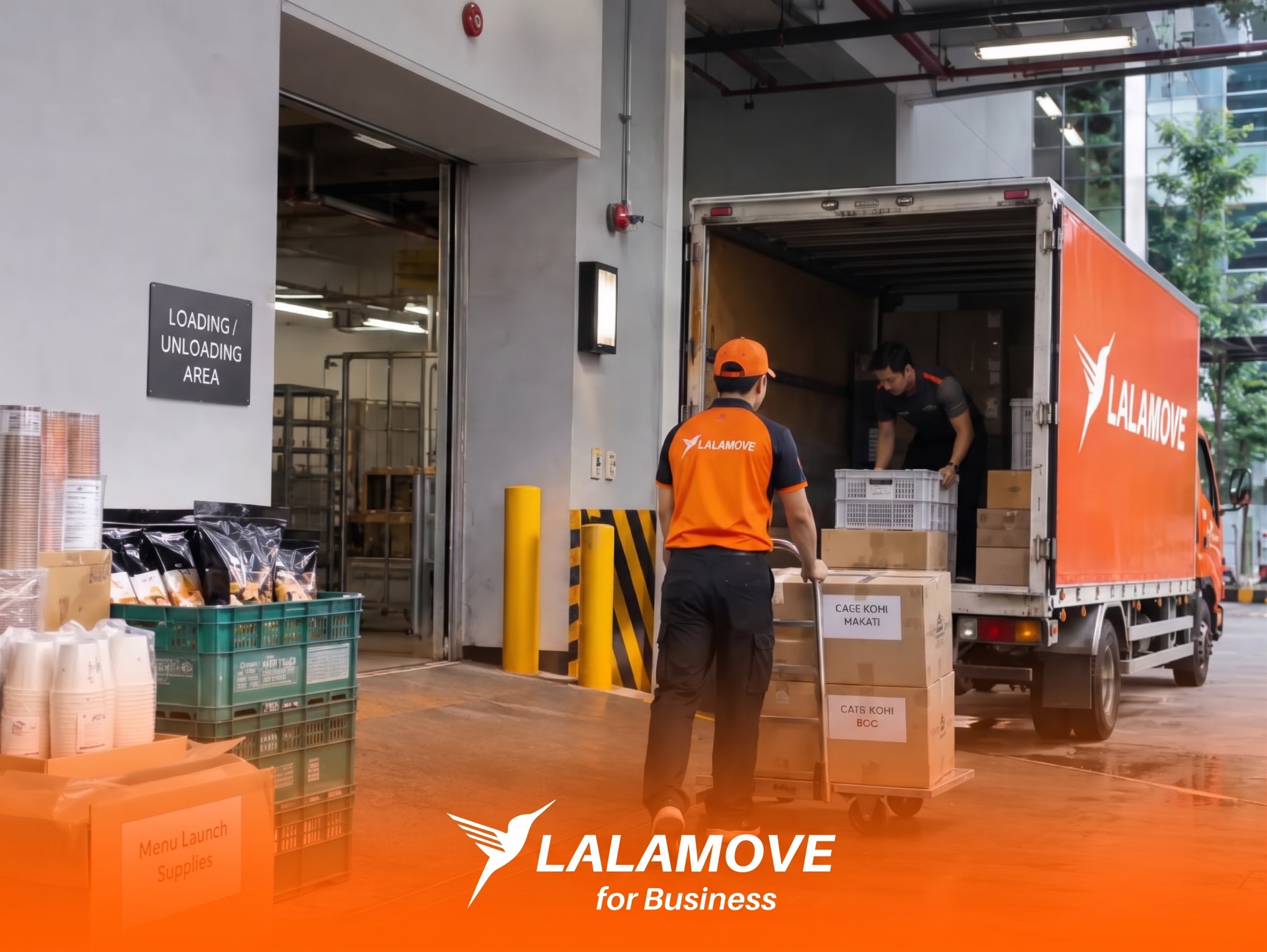
Running a growing cafe, restaurant, or food and beverage (F&B) chain requires more than great recipes; it runs on smooth day-to-day branch replenishment. While bulk factory-to-warehouse freight handles large-scale inventory, daily store operations rely on timely F&B supply deliveries between suppliers, central kitchens, physical outlets, and temporary pop-up locations.
When branch teams run low on essential pantry ingredients or promotional menu materials, service slows down, and customer experience takes a hit. This is where building a coordinated logistics workflow helps F&B operations keep every branch stocked and ready for peak hours
Coordinating Branded Packaging and Operating Supplies from Suppliers
Cafes and restaurants often source items from multiple vendors, from cup printers and box suppliers to napkin and cleaning supply distributors. Managing cafe packaging delivery and restaurant operating supplies across several branches becomes complicated when each supplier operates on a different dispatch schedule.
To coordinate deliveries from several suppliers to different outlets effectively:
-
Consolidate Order Schedules: Align supplier pickup windows with branch receiving hours so store staff are not overwhelmed during peak lunch or dinner rushes. This is where multi-stop deliveries become more important, allowing you to make product deliveries and crucial supply runs.
-
Match Vehicle Capacity to Load Size: Use flexible delivery options, from motorcycles for urgent small-box restocks to light delivery vehicles and larger trucks (up to 12,000 kg, depending on location and availability) for bulk packaging drops.
-
Standardize Receiving Protocols: Confirm exact branch addresses, item quantities, receiving contacts, and mall or building loading bay instructions prior to dispatch.
By partnering with Lalamove for Business, F&B teams can book on-demand deliveries between vendors and individual branches in covered areas, helping reduce storage bottlenecks in tight back-of-house spaces.
Managing Central Kitchen Ingredient Transfers to Branches and Pop-Ups
For F&B chains operating a commissary, central kitchen ingredient transfer is vital for maintaining menu consistency across locations. Whether moving dry goods, sauces, or prepped non-perishable components, operations managers must balance speed, handling, and destination accuracy.
When transferring ingredients between branches or deploying supplies for pop-up kitchen logistics:
-
Label Crates by Destination: Clearly mark every bin or box with the receiving branch or pop-up booth name, item count, and handling notes.
-
Verify Transport Suitability: Confirm that ingredients are packed appropriately for transit. Standard delivery vehicles are not refrigerated or temperature-controlled; for perishable or temperature-sensitive items requiring a cold chain, businesses should engage a qualified specialist provider.
-
Confirm Pop-Up Site Details: Before dispatching to temporary kiosks or weekend bazaars, double-check event ingress schedules, gate passes, drop-off points, and the on-site receiving contact.
-
Build in Dispatch Buffers: Allow sufficient lead time before store opening or event start times to account for urban traffic and venue unloading procedures.
Planning Multi-Outlet Menu Launches Without Supply Gaps
Rolling out a seasonal drink or limited-time dish across multiple branches requires synchronized preparation across procurement, operations, and marketing teams. A successful multi-outlet menu launch depends on every location receiving its dedicated ingredients, recipe cards, and point-of-sale materials ahead of launch day.
To avoid supply gaps during a rollout:
-
Forecast Branch-Level Quantities: Calculate initial launch allocations and first-week safety stock based on each outlet's historical foot traffic.
-
Stage Supplies by Branch: Pre-pack launch kits at the central kitchen or warehouse so delivery partners can pick up complete, branch-specific loads.
-
Track Deliveries in Real Time: Use real-time tracking to monitor shipments from pickup to drop-off, giving operations leads visibility over which branches have received their launch stock.
How Lalamove for Business Supports F&B Supply Operations
Acting as a flexible delivery partner, rather than a supplier, inventory manager, food handler, or cold-chain provider, Lalamove for Business helps cafes, restaurants, and commissaries move supplies smoothly across covered areas:
-
End-to-End Delivery Support: Support deliveries across all stages of the supply chain, from first-mile movements from suppliers or warehouses, to mid-mile transfers between commissaries and branches, and last-mile deliveries to stores, business partners, or customers.
-
Centralized Business Account: Manage multi-outlet deliveries, administration, and centralized billing from a single corporate account, with specific features varying by account tier.
-
Wide Range of Vehicle Options: Select motorcycles, light vehicles, or larger trucks up to 12,000 kg based on item size, weight, quantity, and handling needs (subject to location and availability).
-
Multi-stop Deliveries: This enables businesses to handle 20 stops in a single route, which enables smoother supply runs and optimized product deliveries.
-
Added Delivery Protection: Eligible business deliveries are automatically insured up to ₱75,000 through Pioneer Insurance, subject to policy terms (not a guaranteed payout). For higher-value shipments, Goods Protection Promises is available as a separate program, subject to eligibility, assessment, fees, and terms.
-
System Integrations: Businesses looking to connect order-status or driver tracking data with internal workflows can explore API/webhook options, alongside distinct e-commerce tools such as the Shopify plugin or E-Commerce Connector depending on operational needs.
Equipping Your Outlets for Seamless Service
From daily branch replenishment to multi-branch seasonal rollouts, reliable supply coordination keeps F&B teams focused on food quality and hospitality. Explore how Lalamove for Business can support your outlet, central kitchen, and pop-up delivery workflows.
Frequently Asked Questions (FAQs)
How can cafes coordinate delivery of branded packaging and operating supplies from suppliers?
Cafes can align supplier pickup schedules with branch non-peak hours, confirm exact quantities and receiving contacts ahead of time, and book right-sized vehicles on demand. Using Lalamove for Business, teams can arrange direct deliveries from multiple packaging or supply vendors to individual branches in covered areas.
How can food businesses transfer ingredients between central kitchens and pop-up operations?
Food businesses should pack and label crates clearly by destination, verify that items do not require temperature-controlled transit (using a specialist cold-chain provider when needed), and confirm venue ingress rules and receiving contacts before dispatching delivery partners to pop-up sites.
How can F&B businesses coordinate supplies for limited-time menu launches across outlets?
Teams can forecast branch-specific quantities, pre-stage complete launch kits at a central hub, and schedule staggered deliveries with built-in buffer times before launch day. Real-time tracking helps operations managers confirm that each branch receives its ingredients and promotional materials on schedule.
What should restaurants consider when transferring ingredients between branches?
Restaurants should verify stock availability, use secure and appropriate packaging, confirm transport suitability for the specific ingredients, and share clear pickup and drop-off instructions, including mall loading bay rules and receiving contacts, with delivery partners.
How can cafes avoid supply gaps during a multi-outlet menu launch?
Cafes can prevent stockouts by forecasting first-week demand per branch, separating launch kits from regular replenishment orders, establishing clear reorder thresholds, and using on-demand delivery support to move extra stock between commissaries and branches when demand spikes.
How can businesses coordinate deliveries from several suppliers to different outlets?
Operations teams can standardize order cutoffs, maintain a shared receiving directory for every branch, and use a centralized business account with Lalamove for Business to book, track, and manage billing for deliveries moving from multiple vendors to different store locations.
What details should teams confirm before sending supplies to a pop-up kitchen?
Before dispatch, teams should confirm the exact event or venue address, loading bay or gate access instructions, permitted ingress hours, itemized crate counts, and the name and mobile number of the on-site receiving contact.
How can Lalamove for Business support outlet supply and ingredient deliveries?
Lalamove for Business provides on-demand access to motorcycles, light vehicles, and larger trucks (up to 12,000 kg, subject to availability) in covered areas, along with centralized corporate account management, real-time tracking, API/webhook options, and automatic insurance coverage up to ₱75,000 through Pioneer Insurance on eligible deliveries (subject to policy terms).


